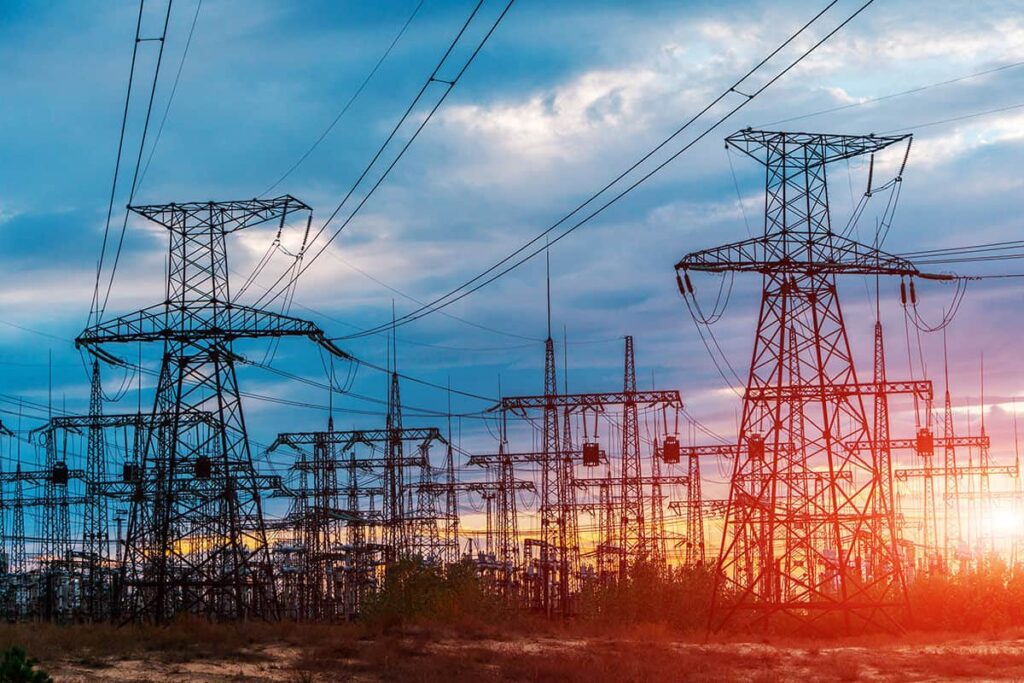

Recent filings with the Public Utility Commission of Texas—including the Texas Reliability Entity’s latest system assessment—reinforce a key reality: the Texas grid is performing better, but the risks facing local communities are growing in complexity.
For Municipal Utility District (MUD) leaders, this is not just a regulatory update. It is a signal to stay informed, engaged, and involved.
The Grid Is Evolving—And So Are the Risks
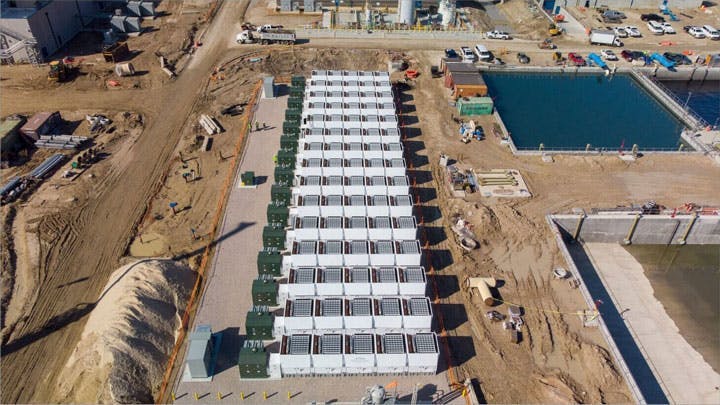
Statewide reports show progress. Texas has avoided major emergency conditions in recent periods and continues adding generation resources, particularly solar and storage.
At the same time:
- Demand is rising rapidly
- New large loads are entering the system
- Planning and operational uncertainty is increasing
The result is a grid that is more capable—but also more dynamic and harder to predict.
Reliability at the System Level ≠ Reliability at Your Community
Texas regulators are now formally defining reliability standards—setting expectations for how often outages should occur and how severe they can be.
But for MUDs, the critical issue is this:
Meeting statewide reliability targets does not guarantee local performance.
Your community can still experience:
- Service interruptions during peak stress events
- Infrastructure constraints at the local level
- Delays in restoration depending on system conditions
That gap between system reliability and community-level impact is where risk now lives.
Why Engagement Matters More Than Ever
MUD leaders who stay engaged in ERCOT and PUCT developments are better positioned to:
- Understand where reliability risks are shifting
- Anticipate how policy changes affect local infrastructure
- Influence decisions that impact service continuity
- Identify opportunities created through PUCT rulemaking and legislative action that can be leveraged at the local level
Today’s regulatory environment is actively evolving—especially around:
- Large load integration
- Reliability services and market design
- Resource adequacy and planning
Communities that are not paying attention risk being reactive instead of prepared.
The Shift Toward Local Responsibility
One of the clearest trends in Texas is the gradual shift of responsibility:
From centralized grid performance → to local resilience planning
This is not a mandate—but it is becoming a practical necessity.
For many MUDs, that means evaluating:
- Backup power strategies
- Distributed energy solutions
- Infrastructure investments that protect critical services
Not because the grid is failing—but because the consequences of disruption are too high to ignore.
The Bottom Line
The latest PUC filing confirms that Texas is moving forward on reliability—but in a way that requires greater awareness and participation at the local level.
For MUD leaders:
- The grid is improving, but not risk-free
- Policy decisions are shaping future reliability outcomes
- Local planning is becoming essential
Equally important, new regulatory and legislative initiatives are creating tools and mechanisms that communities can use to strengthen their position—if they are aware of them and prepared to act.
Staying engaged is no longer optional—it is part of responsible governance.
How TRC Supports MUD Leaders
Texas Reliability Council (TRC) helps MUD leaders stay ahead of these shifts by providing:
- Clear interpretation of ERCOT and PUCT developments
- Guidance on emerging reliability risks
- Strategic insight to support infrastructure and planning decisions
- Analysis of regulatory and legislative activity to identify practical opportunities for MUDs—helping leaders understand and take advantage of tools, programs, and mechanisms being advanced by policymakers to improve reliability and resilience at the community level
In a rapidly evolving environment, informed leaders make better decisions—and better decisions protect communities.