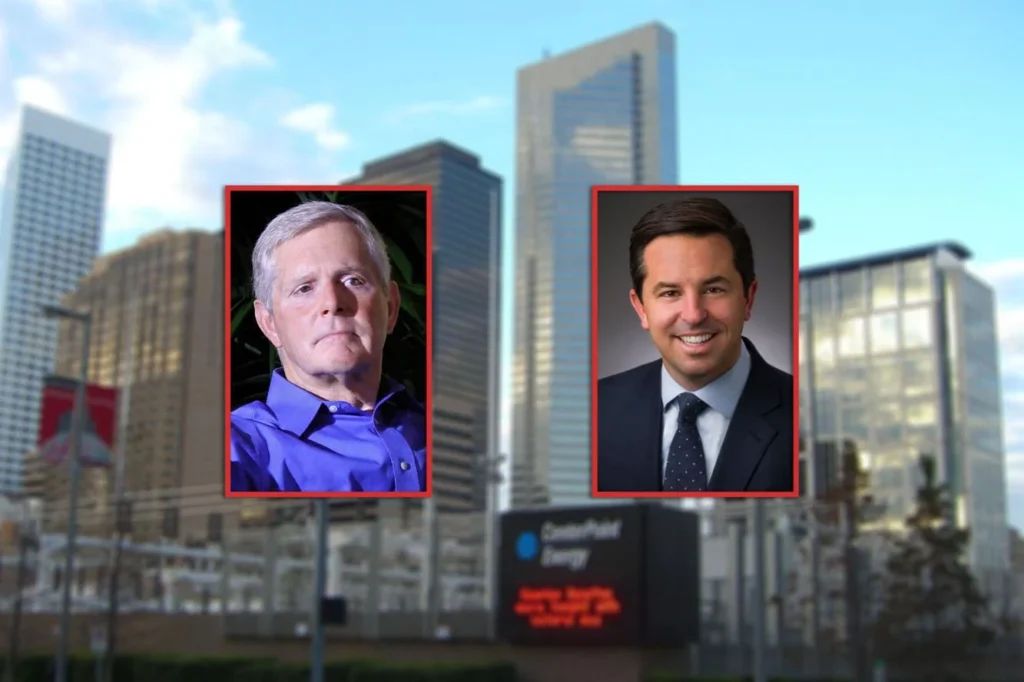

Recent hearings on May 7, 2026 in Austin brought together policymakers, regulators, and industry participants to evaluate the future of Texas energy policy. The conversations were substantive, wide-ranging, and necessary. But they also revealed a critical truth:
The direction of Texas energy policy is still being shaped—and those who show up will define the outcome.
For the Texas Reliability Coalition (TRC), this moment is not one to observe. It is one to engage.
Texas Is Moving Beyond Reactive Policy
For years, energy policy in Texas has been shaped by response to Winter Storm Uri, response to growing demand, response to outages that exposed system weaknesses. What the Austin hearings made clear is that the conversation is evolving. Policymakers are now asking:
- What solutions scale across entire communities—not just single facilities?
- How does the state bring private capital into infrastructure without burdening ratepayers?
- What regulatory changes are needed to unlock new technologies?
This shift signals a move toward long-term resiliency, not just short-term fixes.
But questions alone are not enough. The answers will depend on who is actively contributing to the discussion.
The Conversation in Austin Is Expanding—But Still Incomplete
The hearings included a broad set of stakeholders—from utilities to regulators to private operators. Public testimony opportunities also created space for additional voices to be heard.
At the same time, internal preparation discussions made clear that not all perspectives were fully represented—particularly those focused on scalable, community-level resilience solutions.
This gap is not unique to one hearing. It is a recurring challenge in policy development:
If a solution is not clearly articulated in the room, it will not be prioritized in the outcome.
That is why engagement is not just helpful—it is essential.
Policy Is Being Shaped in Real Time
The structure of the hearings—formal panels followed by public testimony—underscores an important reality:
policy is not finalized in advance. It is influenced in real time, thus the need for MUDs, Operators, etc. is needed.
Preparation efforts ahead of the hearings focused on:
- Engaging policymakers before the event
- Delivering concise, targeted testimony
- Aligning voices across multiple participants
These actions reflect a broader strategic understanding: as effective advocacy is organized, intentional, and persistent, so there is no time to sit on the sidelines.
For TRC members, this is a clear call to action.
Why TRC Must Lead in This Moment
TRC exists to unify stakeholders who are often underrepresented in statewide policy discussions—particularly communities, MUDs, and infrastructure operators.
The Austin hearings validated that this role is more important than ever.
Key policy discussions now directly impact:
- How resilience projects are approved and financed
- Whether community-level solutions are enabled or constrained
- How costs are distributed across customers and stakeholders
If these decisions move forward without strong participation from TRC members, the resulting framework may fail to reflect on-the-ground realities.
Engagement Is No Longer Optional
The most important takeaway from Austin is simple: The future of Texas energy policy will be shaped by those who engage consistently—not those who wait to react.
That means:
- Participating in hearings and public testimony
- Coordinating with other stakeholders to present aligned positions
- Ensuring that practical, scalable solutions are clearly communicated to your representatives
- Staying engaged beyond a single event, as discussions continue throughout the year
Post-hearing processes will include additional input, stakeholder discussions, and ongoing evaluation leading into future legislative action.
Those who remain active will have influence. Those who don’t will be affected by decisions made without them.
The Path Forward
Texas does not lack ideas. It does not lack capital. It does not lack urgency.
What it needs is alignment—and leadership.
The Austin hearings were not the conclusion of the conversation. They were an inflection point.
For TRC, the path forward is clear:
- Show up early in the policy process
- Speak clearly about scalable, community-focused solutions
- Build coalitions that strengthen credibility and impact
- Stay engaged through every stage of policymaking
Because in Texas energy policy today, influence is not granted—it is earned through participation.